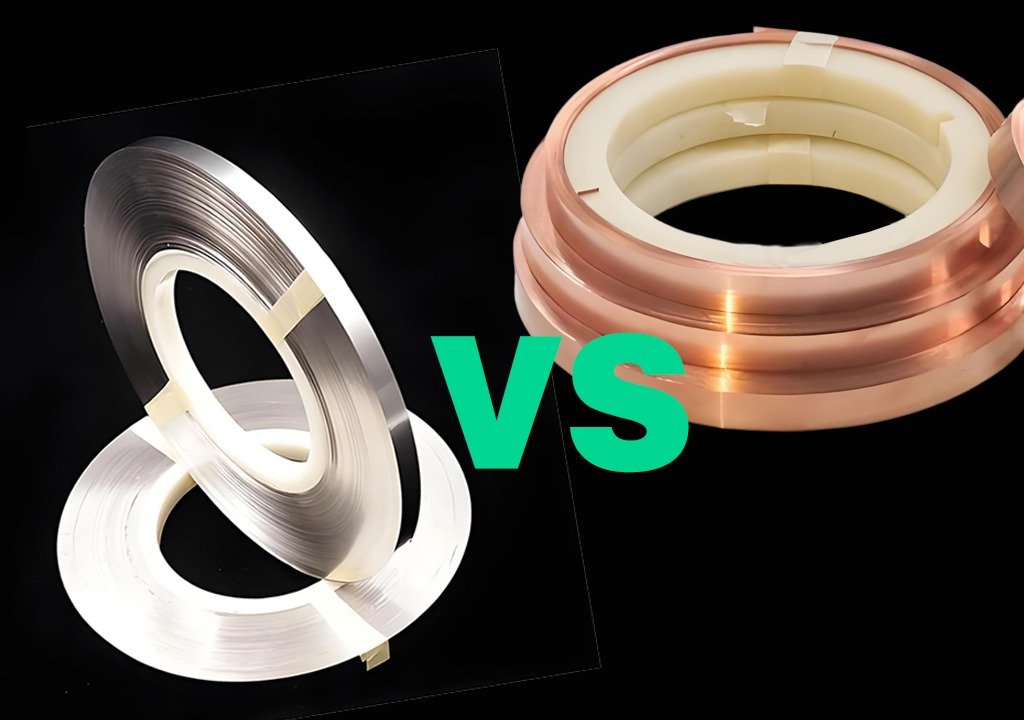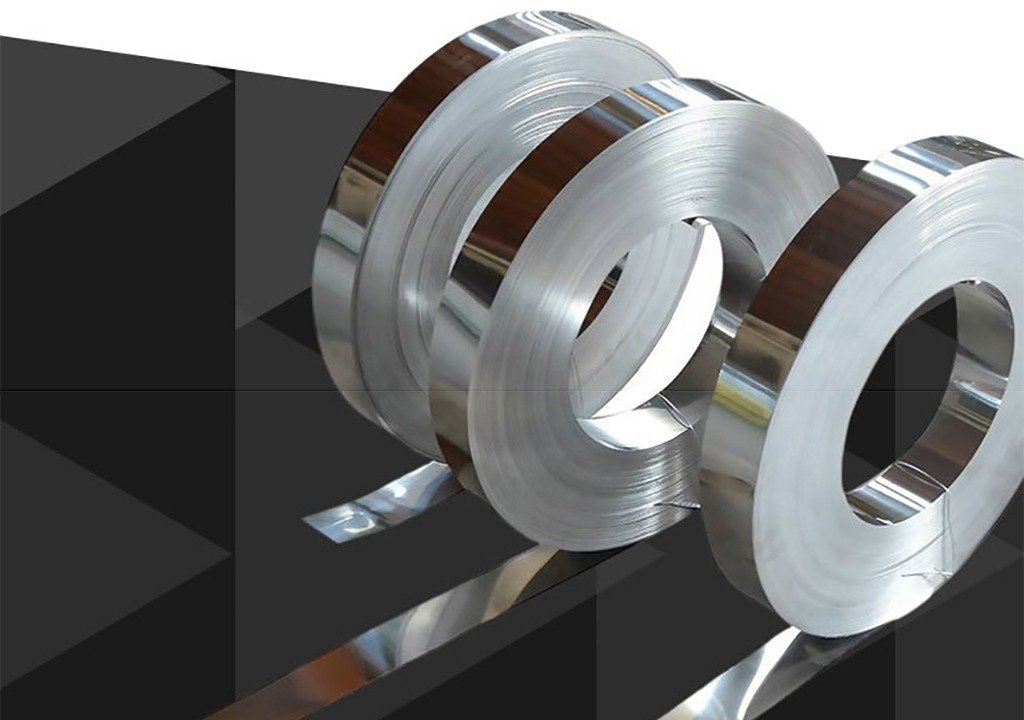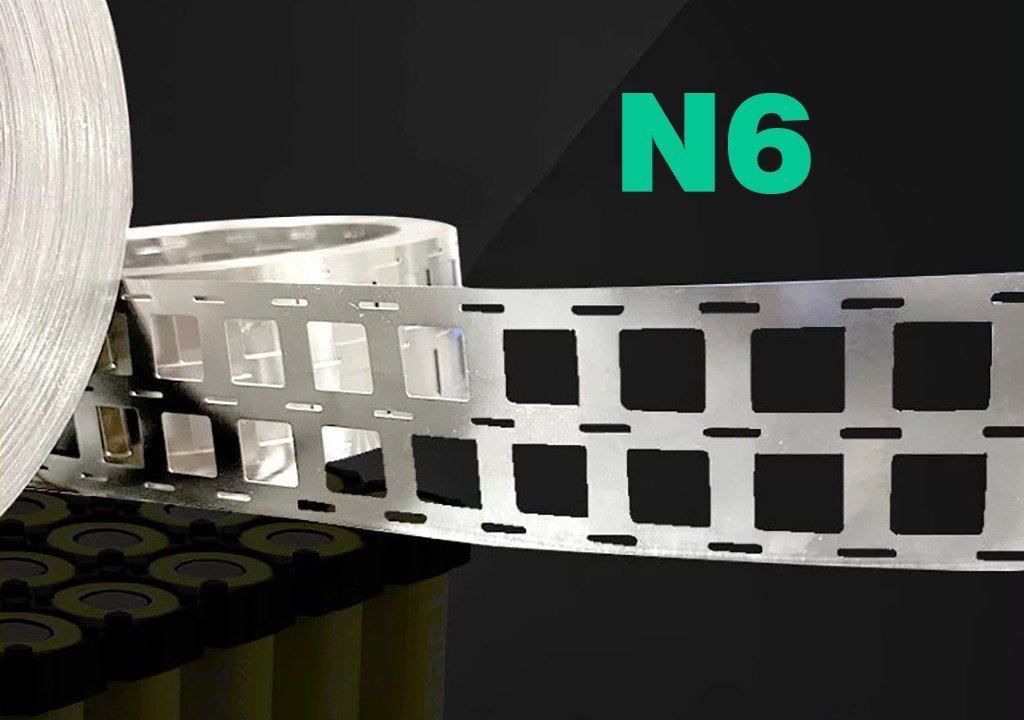
Pure nickel strip is a key material in lithium battery pack manufacturing, widely used in e-bike batteries, 18650/21700 modules, and energy storage systems.
Among them, N6 pure nickel is one of the most commonly used industrial grades in China and global supply chains.
However, many buyers face two critical questions:
- What is N6 pure nickel and its international equivalent?
- Why does N6 nickel strip have different hardness grades (M / 1/4Y / 1/2Y / Y), and how does it affect welding performance?
This guide explains both from a practical engineering and sourcing perspective.
1. What is N6 Pure Nickel? (Definition & Standards)
N6 Nickel Definition
N6 pure nickel is a Chinese GB/T industrial nickel grade.
- Nickel content: ≥ 99.6%
- Material type: Industrial pure nickel
- Main applications: Battery nickel strips, electroplating, industrial components
International Equivalent Standards
N6 does not have a single exact international name, but is commonly matched with:
ASTM (United States)
ASTM Ni200 (UNS N02200)
EN / DIN (Europe)
EN Ni 99.6 / DIN 2.4066 (Nickel 200 group equivalent)
⚠️ Important Note
Although considered equivalent:
N6 ≠ exact ASTM Ni200
N6 ≠ exact EN Ni 99.6
Differences may exist in:
- impurity control
- processing methods
- hardness condition
Key Engineering Conclusion
N6, Ni200, and EN Ni 99.6 are functionally interchangeable in most battery nickel strip applications.
But performance depends more on hardness condition than naming standard.
2. N6 Nickel Strip Hardness System (M / 1/4Y / 1/2Y / Y)
Unlike material grade, hardness is determined by cold working and annealing level.
In the industry, two naming systems are used:
- Soft / Semi-hard / Hard (general description)
- M / 1/4Y / 1/2Y / Y (industrial temper system)
These describe the degree of deformation (cold rolling).
N6 Hardness Level Overview
| Hardness Code | Industry Name | Hardness Level | Flexibility | Welding Performance | Mechanical Strength | Typical Use |
| M | Soft / Annealed | Lowest | ⭐⭐⭐⭐⭐ | ⭐⭐⭐⭐⭐ (Best) | ⭐⭐ | E-bike, 18650 packs, general welding |
| 1/4Y | Quarter Hard | Low-Medium | ⭐⭐⭐⭐ | ⭐⭐⭐⭐ | ⭐⭐⭐ | Light industrial battery packs |
| 1/2Y | Half Hard | Medium | ⭐⭐⭐ | ⭐⭐⭐ | ⭐⭐⭐⭐ | ESS, mass production battery modules |
| Y | Full Hard | Highest | ⭐ | ⭐⭐ (Hardest) | ⭐⭐⭐⭐⭐ | Structural reinforcement, special use |
N6-M (Soft / Annealed State)
- Lowest hardness
- Maximum flexibility
- Best formability
Advantages:
- Best spot welding performance
- Stable electrical contact
- Lowest welding failure rate
Disadvantages:
- Lower mechanical strength
- Easier deformation
Applications:
- E-bike battery packs
- 18650 / 21700 battery modules
- DIY battery packs
- General lithium battery assembly
N6-1/4Y (Quarter Hard)
- Slightly hardened state
- Light cold work
Advantages:
- Better strength than soft state
- Still good weldability
- Improved handling stability
Applications:
- Medium-duty battery packs
- Small industrial battery systems
N6-1/2Y (Half Hard)
- Medium hardness level
- Balanced mechanical strength
Advantages:
- Stable mass production performance
- Good balance of strength and weldability
Applications:
- Energy storage systems (ESS)
- Industrial battery modules
- Standard production lines
N6-Y (Full Hard)
- Highest hardness level
- Strongest mechanical strength
Advantages:
- High structural rigidity
- Resistant to deformation
Disadvantages:
- Difficult spot welding
- Requires higher welding energy
- Higher risk of weak weld joints
Applications:
- Structural reinforcement parts
- Mechanical support structures
- Non-critical welding areas
3. How Hardness Affects Spot Welding Performance
⚠️ Soft (M)
- Excellent weldability
- Stable energy transfer
- Low resistance connection
⚠️ Medium (1/4Y – 1/2Y)
- Balanced performance
- Preferred in industrial production
⚠️ Hard (Y)
- High welding difficulty
- Risk of weak or unstable welds
- Requires optimized parameters
Industry Best Practice
✔ Most lithium battery manufacturers prefer N6-M or N6-1/2Y
Because they provide:
- stable welding quality
- lower defect rate
- better production efficiency
4. N6 Nickel Strip Selection Guide
- ✔ N6-M (Soft) → Best for spot welding & general battery packs
- ✔ N6-1/4Y → Light reinforcement with good weldability
- ✔ N6-1/2Y → Balanced industrial production use
- ✔ N6-Y → Structural reinforcement only